 Zagros Human Rights Center NGO with consultative status with ECOSOC

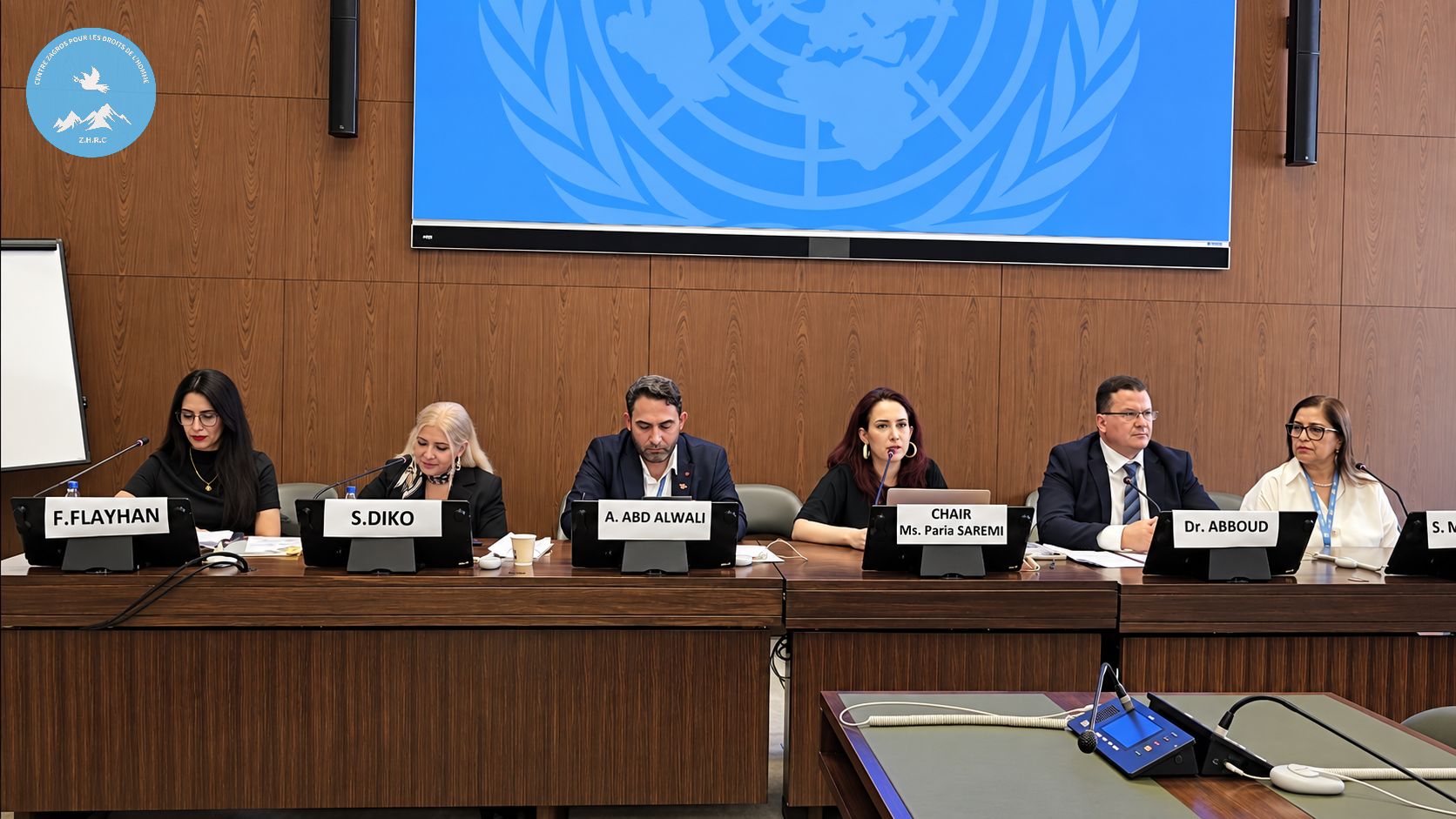
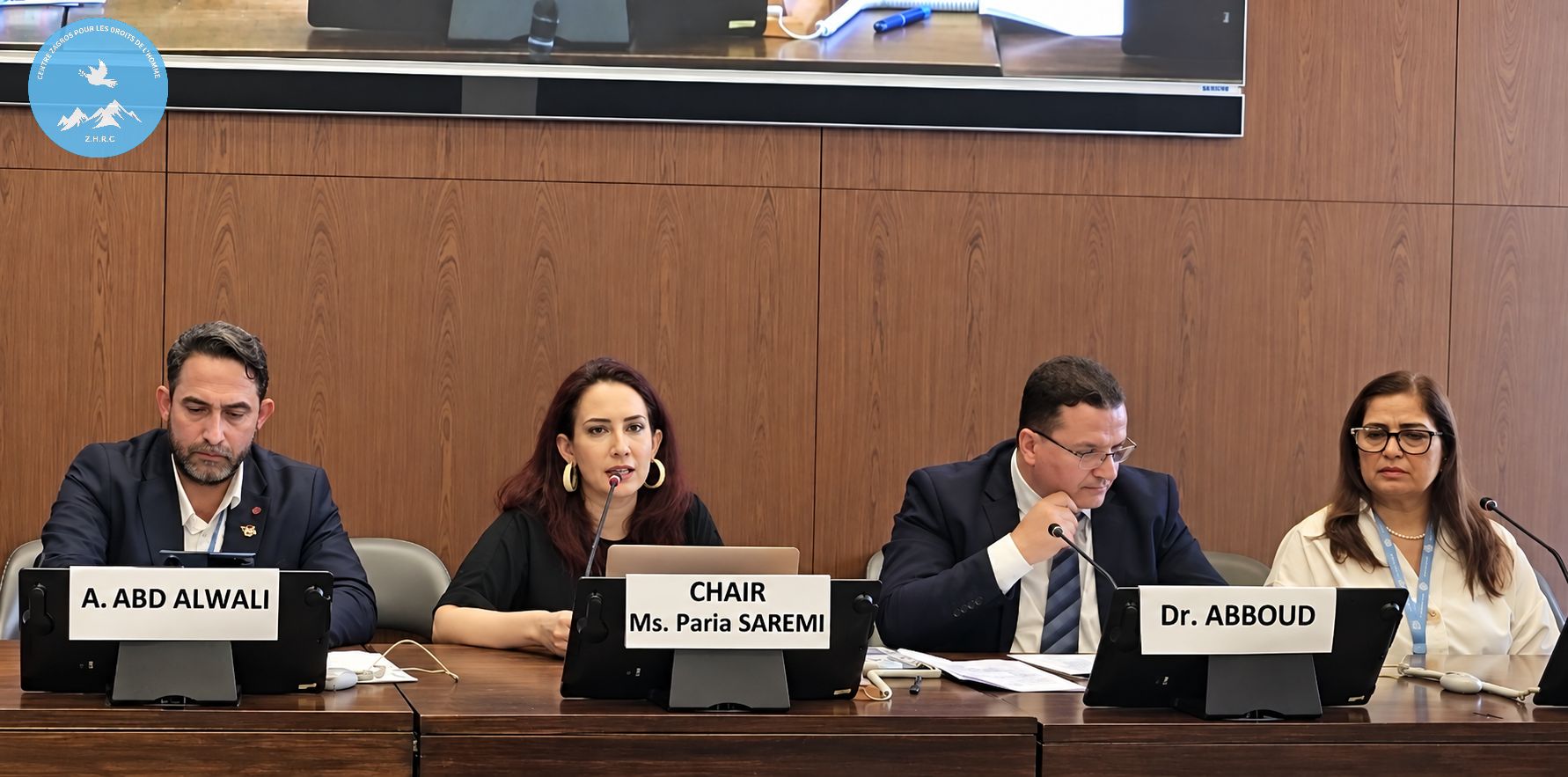
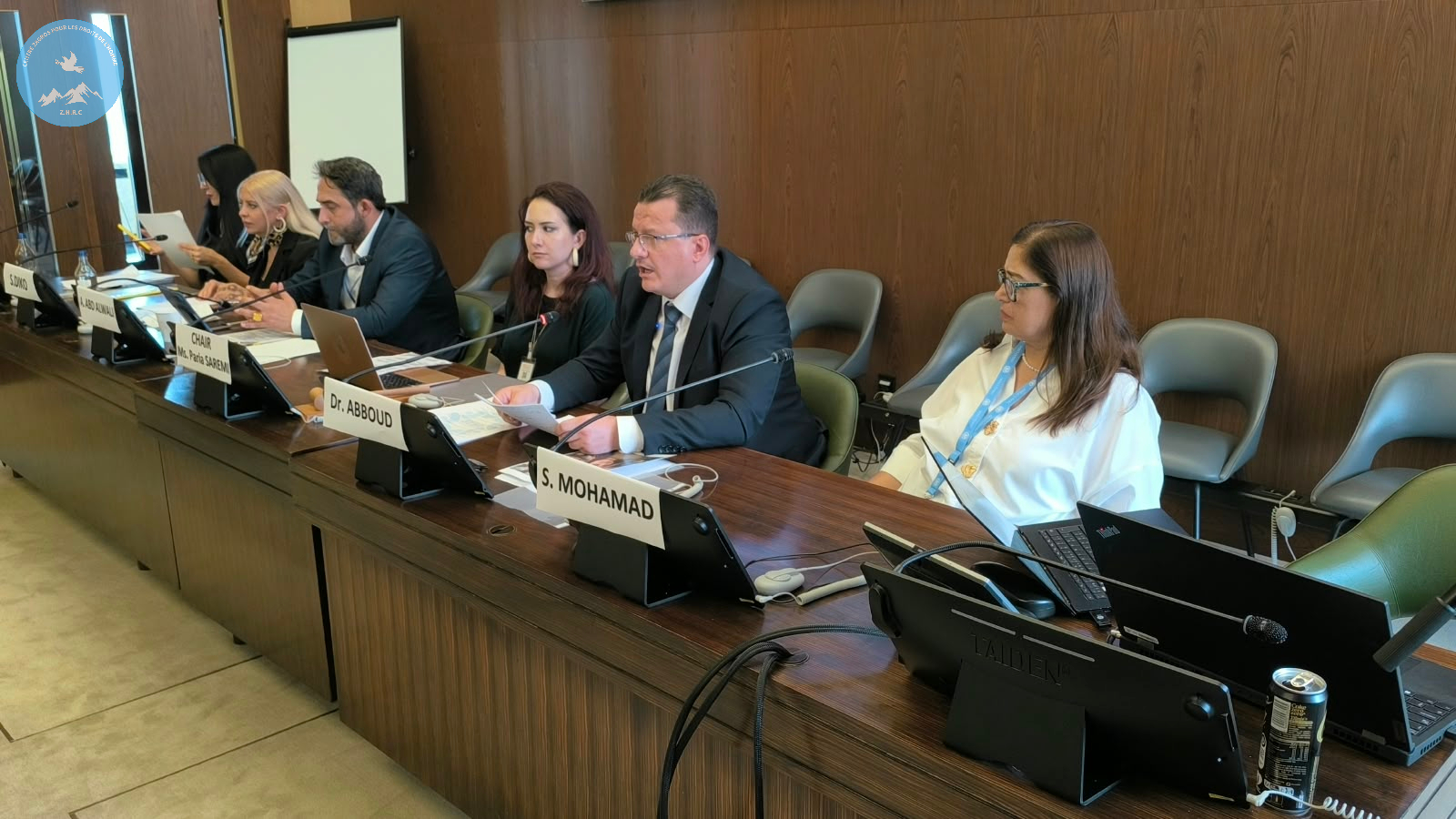
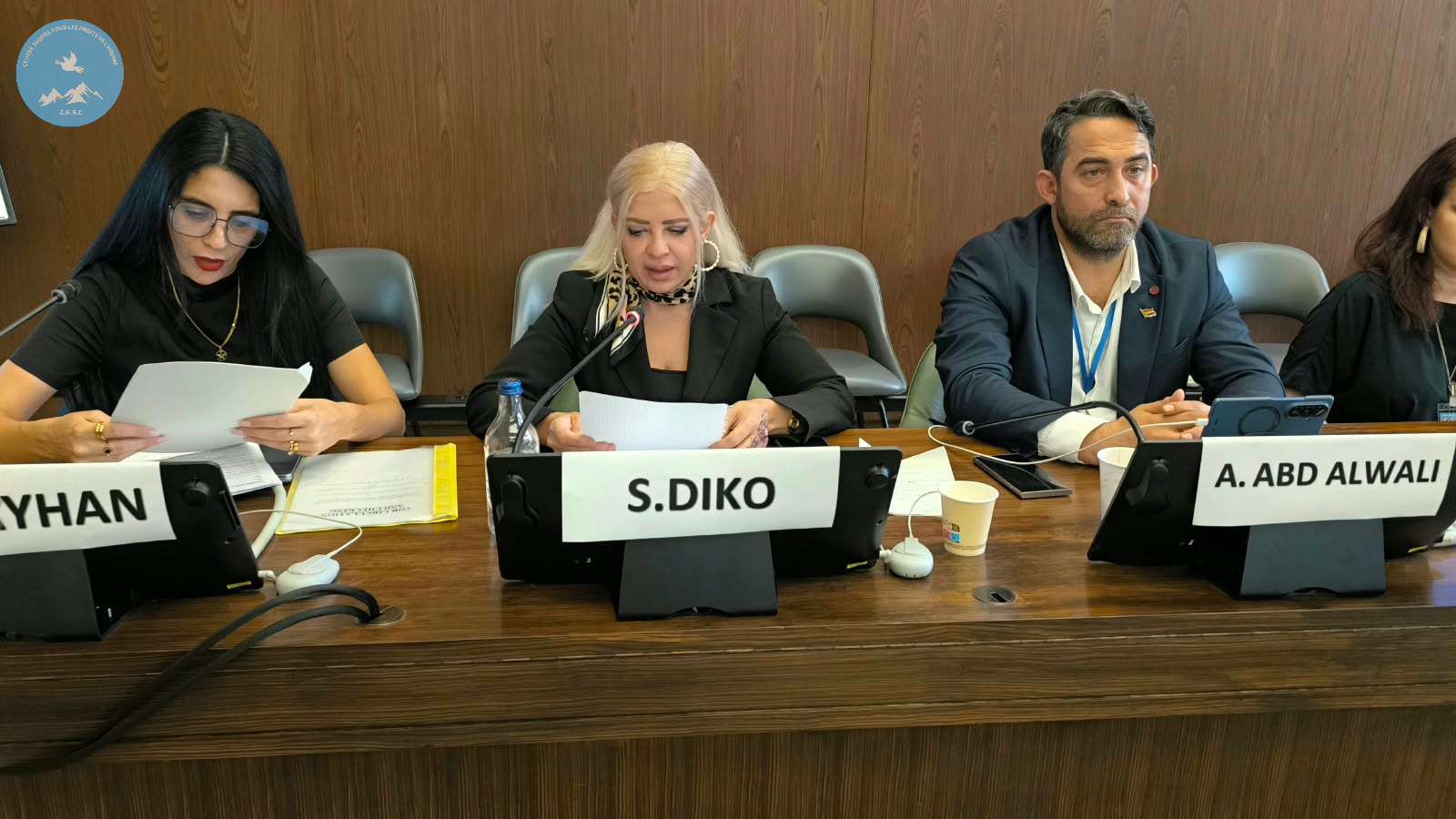
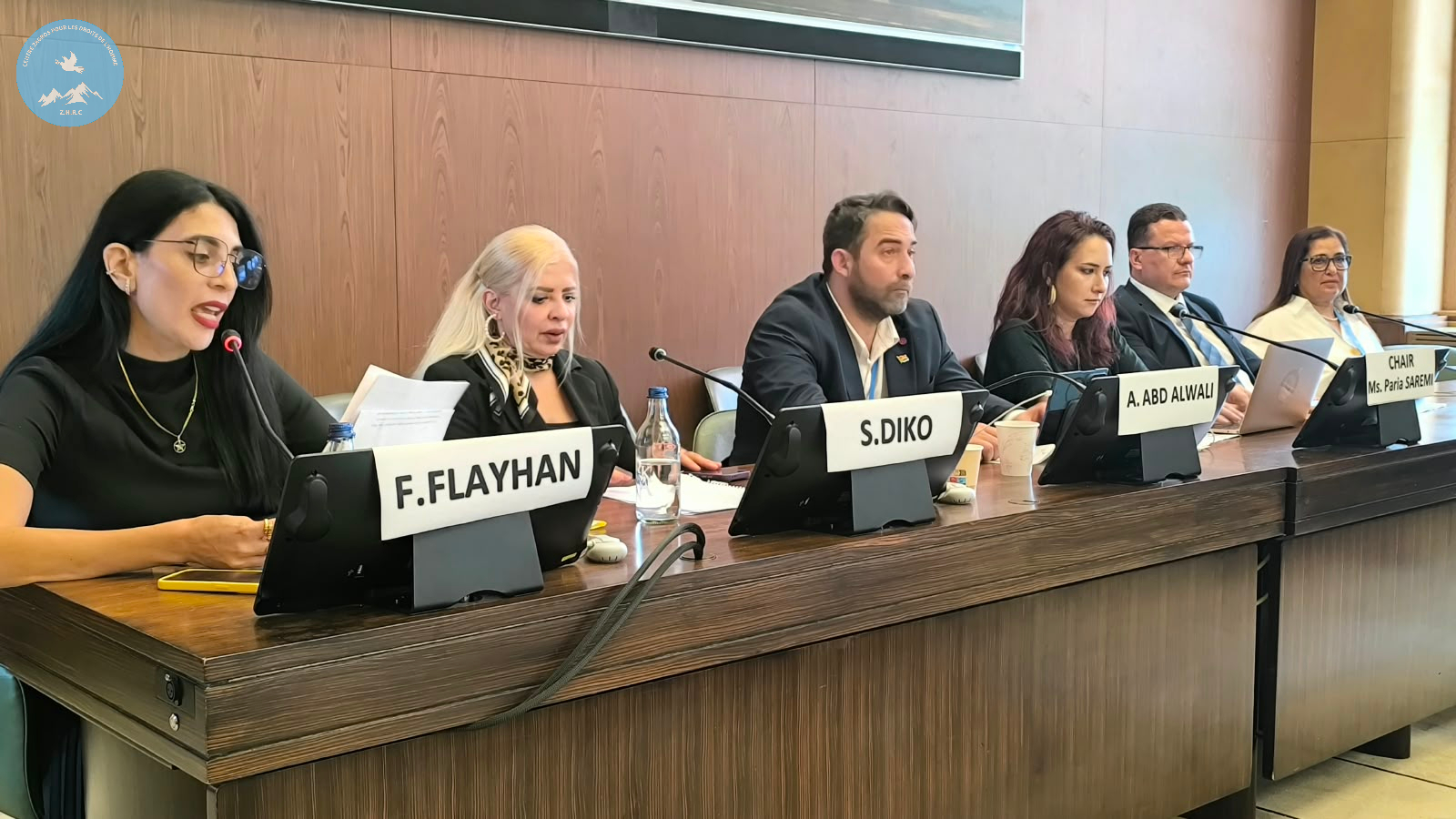
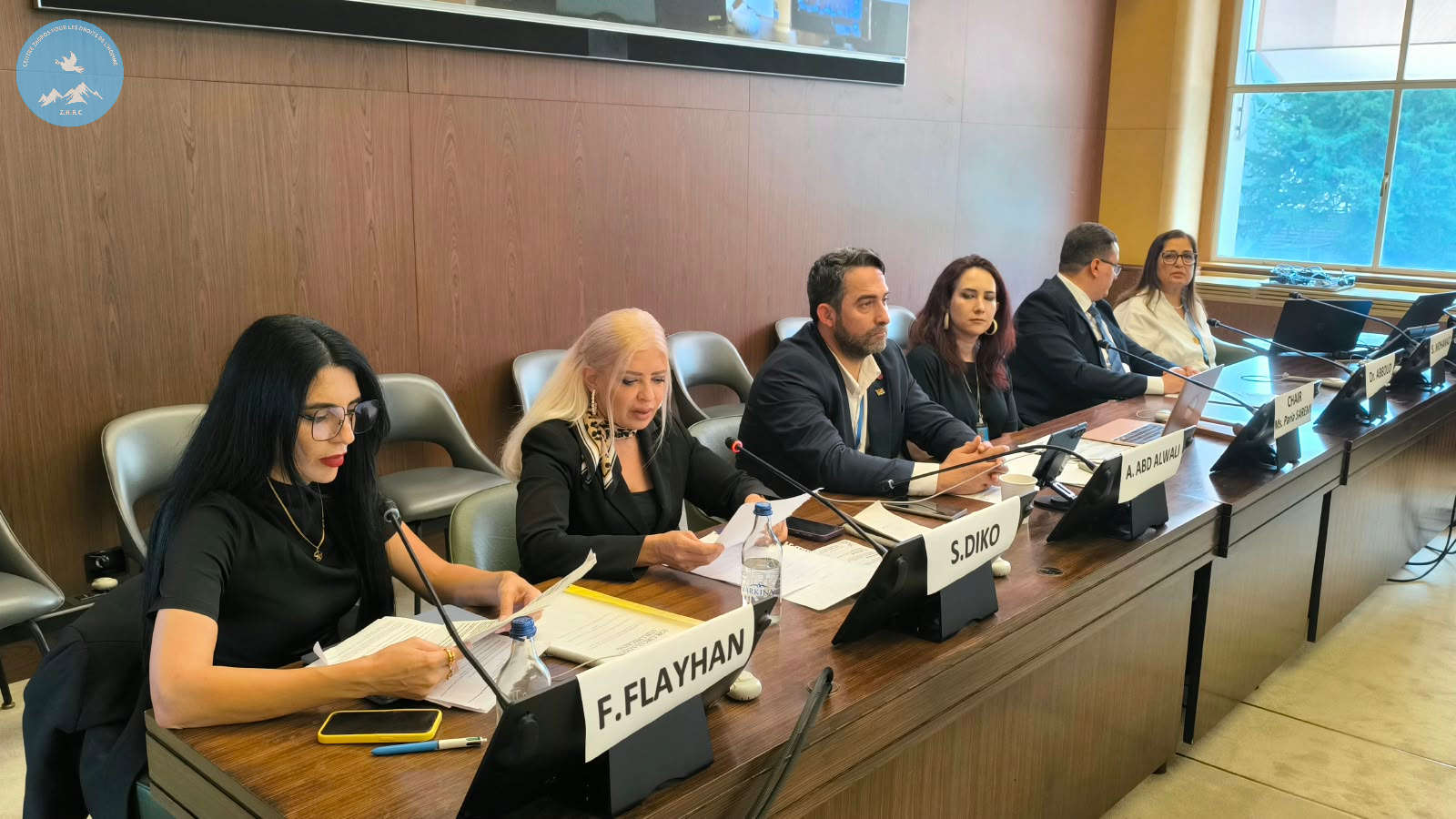
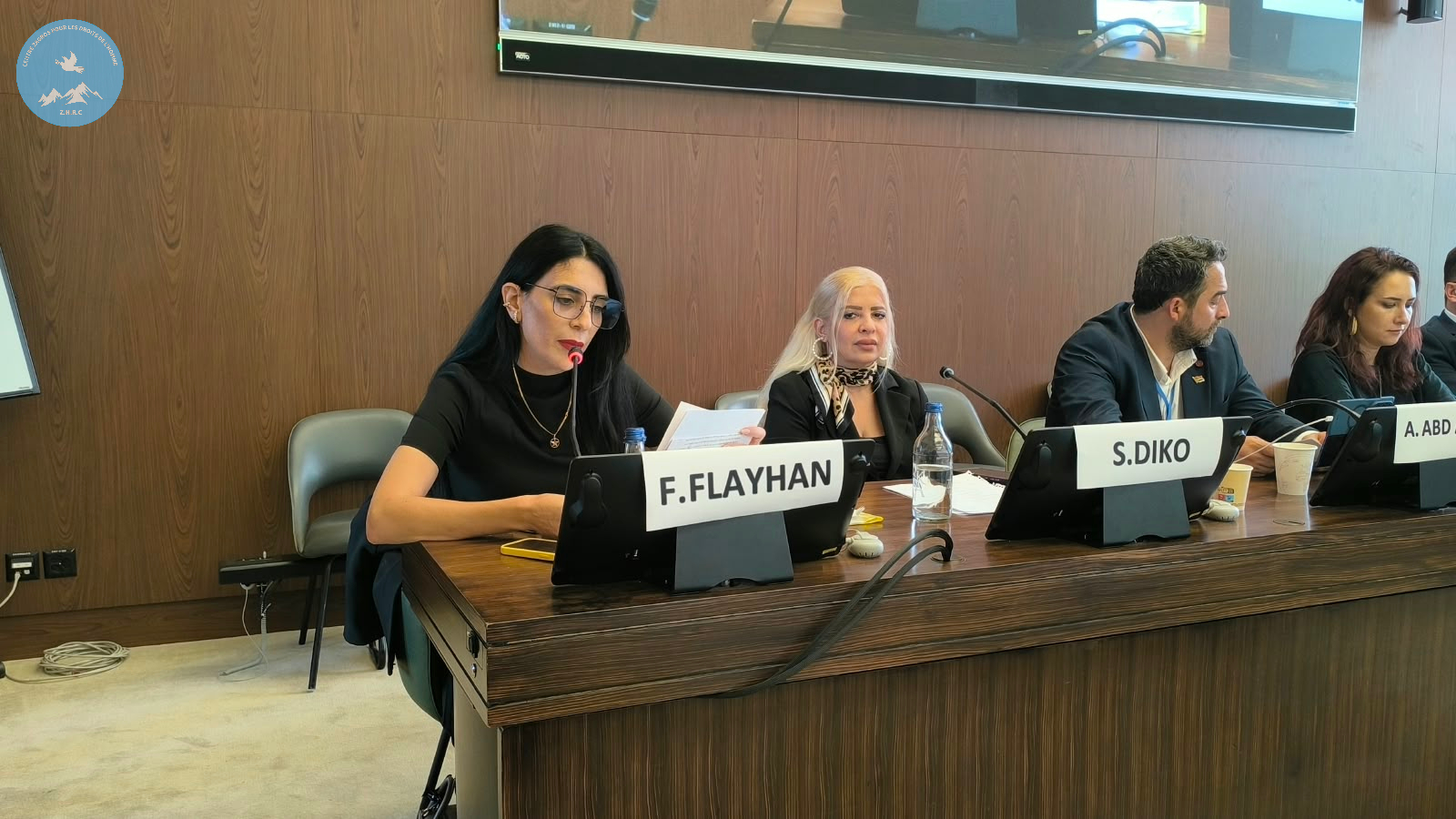
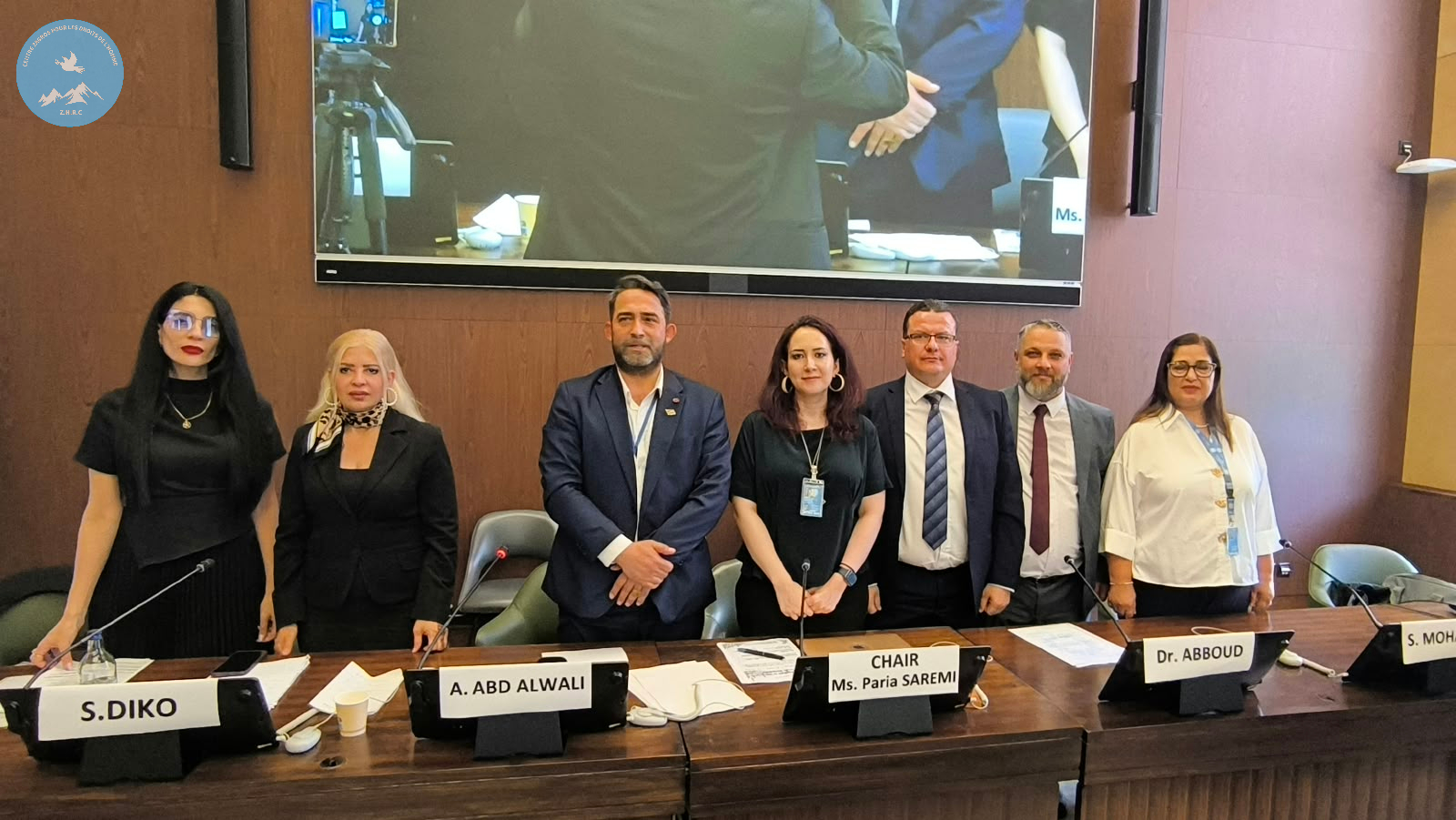
On 7 September 2026, the Centre Zagros pour les Droits de l’Homme organized a side event during the 63rd session of the United Nations Human Rights Council in Geneva, entitled “Human Rights in the Syrian Arab Republic.” Moderated by Ms. Paria SAREMI, an international human rights lawyer and the Centre Zagros Representative to the United Nations in Geneva, the event brought together human rights defenders representing different Syrian communities.
In her opening remarks, Ms. SAREMI emphasized that the political transition had not yet provided the Syrian people with the security, justice and protection they had expected. She referred to unlawful killings, arbitrary detention, torture, enforced disappearances, displacement, sexual violence and other forms of gender-based violence. She also highlighted the particular vulnerability of Alawites, Druze, Christians and Kurds, as well as the continuing risks faced by women, girls and human rights defenders.
Sawsan Diko presented the Kurdish people’s key demands: constitutional recognition, protection of the Kurdish language and culture, a definitive resolution of citizenship-related issues, meaningful participation in drafting the future Constitution and effective representation within state institutions. She advocated democratic decentralization within a united Syria, based on equality, dignity and the equal participation of women and men.
Haya Flayhan and Aysr Abd Alwali described the violence, displacement and restrictions affecting the Druze and Christian communities in Suwayda. They drew attention to abductions, disappearances, unsafe travel and barriers to accessing water, food, medicine, education and other essential services. They called for effective international protection, safe and sustainable humanitarian access, efforts to determine the fate of missing persons, and a free and credible process enabling the affected populations to express their political aspirations without coercion.
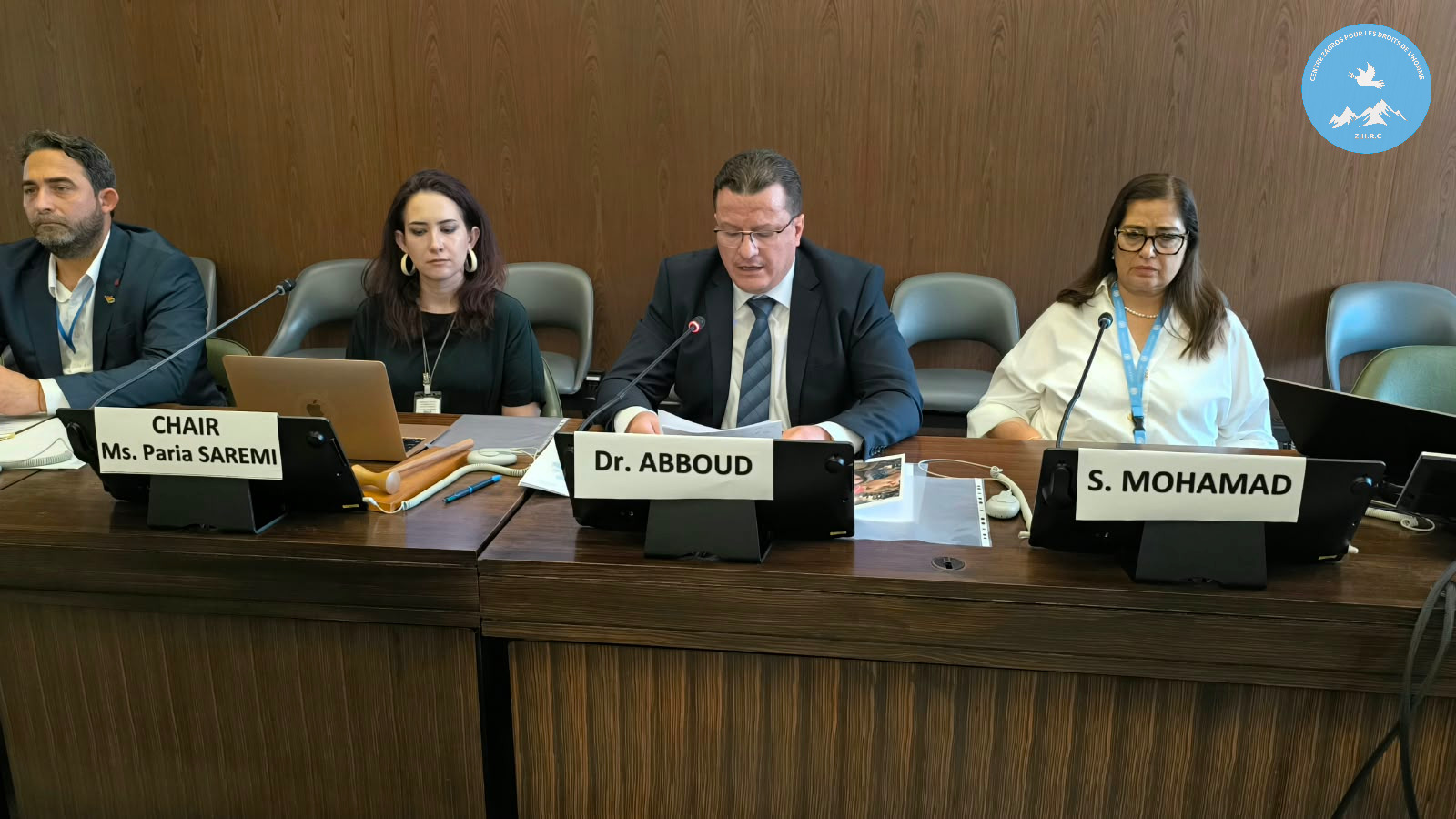
Dr Ali Abboud denounced the violence committed against Alawite civilians in Syria’s coastal region, as well as the detention, disappearance and abduction of women and girls. He recommended international monitoring of prisons, the prompt appearance of detainees before a court or their release, the protection of witnesses, and the establishment of a mechanism to determine the fate of missing persons. He also called for action against hate speech, proper risk assessments before any return of refugees, and the rejection of selective justice.
On behalf of the Centre Zagros, Ms. SAREMI presented several recommendations: protecting all civilians without discrimination; preventing reprisals and collective punishment; ensuring the protection of women and girls; and enabling human rights defenders to work without intimidation. She called for independent and credible investigations, the preservation of evidence, fair trials, reparations for victims and transitional justice consistent with international law. She urged the transitional authorities and all actors exercising territorial control to cooperate with international mechanisms.
Finally, the speakers called upon the international community to support Syrian civil society and guarantee the meaningful participation of women and minorities in institutional reconstruction. Their shared message was clear: no lasting peace can be built without protection, equality, accountability, truth and justice for all of Syria’s communities.
Centre Zagros pour les Droits de l’Homme